Analyzing Gate Valves: Models, Applications, and Sustenance
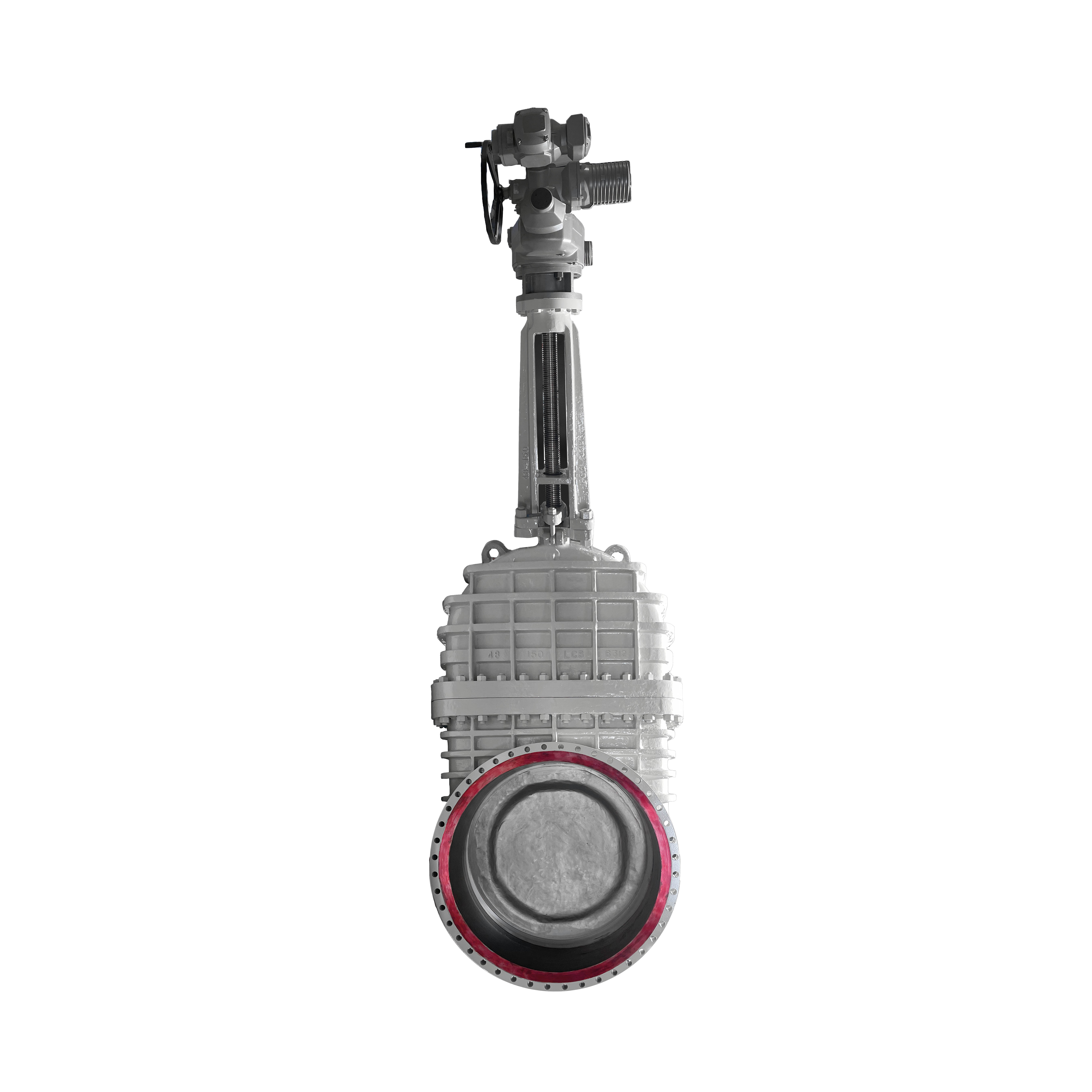
Shutter Regulators, one minimalistic system for detaching transit in conduits, present a straightforward method for enabling or halting fluid transit. Typical models include sloping gate, orbital gate, and notch gate, each suited for precise functions, such as gas refining, moisture refinement, and industrial establishments. Consistent upkeep, including rigorous surveys, oiling of mechanical pieces, and occasional renewal of old buffers, is required for maintaining solid action and increasing the gate's validity}.Evaluating An Optimal Channel Steering
During assembling your vaporous system, determining one proper device form is important for adequate execution. Globe valves and gate-type valves are regularly utilized, but fulfill clearly contrasting objectives. Gate valves are mostly developed for fully blocking movement and are aren't suitably tailored for regulating flux levels. Conversely, round valves afford excellent features for fine flow adjustment and are generally picked where fluctuating stream speeds are desired. Consider a design's defining requirements before selecting same absolute selection.
- Gate-style valves - Optimal for engage-disengage governance.
- Control valves - Excellent for adjusting movement.
Check Valve Functionality: Stopping Reflux in Pipeline Arrangements
Flow regulation valves are significant features in many fabrication piping systems, designed to guarantee single-direction movement of materials. Their chief role is to stop reverse flow, where could harm machinery, pollute resources, or disrupt processes. They regularly behave self-drivenly, authorizing stream in one vector while strongly obstructing passage in the reverse line.
Ball Valves: Virtues and Weaknesses for Technical Application
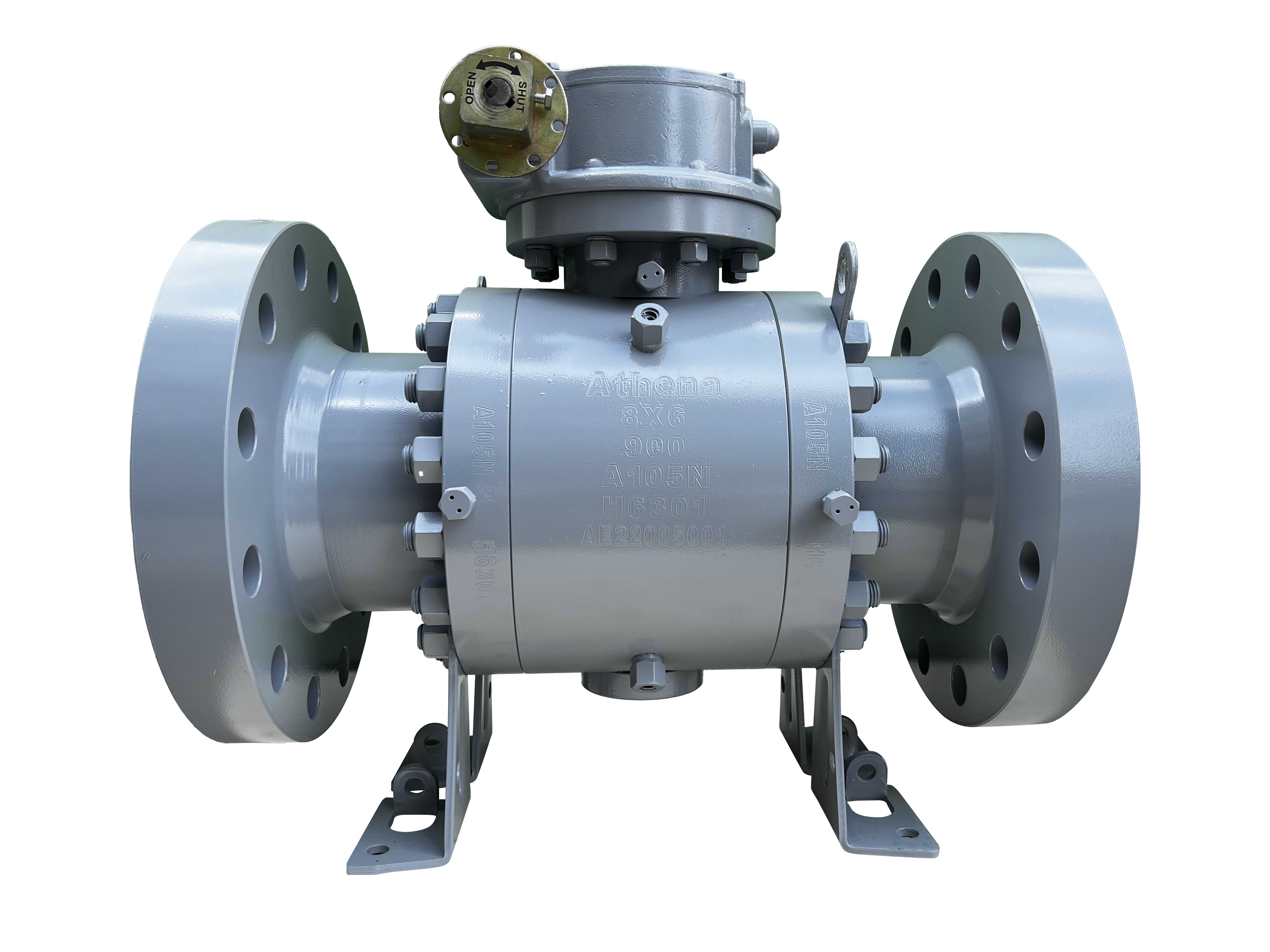
Round valves are habitually employed in operational settings due to their rudimentary design and steady operation. Yet, it’s essential to appreciate both their beneficial aspects and potential problematic characteristics. On the one hand, ball valves offer prompt shut-off capabilities, first-rate flow control when applied in a semi- position (though traditionally not recommended for prolonged throttling), and are fairly economical compared to certain valve styles.
- Uncomplicated Repair
- Minor Force Decline
- Tight Fastening
Overview of Valve Categories: Gate, Globe, Check, and Ball
Comprehending the discrepancies among valve forms is essential for opting for the best choice for a specific job. Let’s shortly inspect four common valves: gate, globe, check, and ball. Gate regulators afford minimal hindrance to current when entirely unblocked, making them ideal for considerable load situations, but displaying poor throttling capabilities. Globe regulators, in opposition, exhibit a disc that rests against a opening, allowing for careful current adjustment, although at the sacrifice of augmented fluid decline. Check apparatuses are designed to by design inhibit reverse flow, performing as a mono-directional protective aspect. Finally, ball apparatuses adopt a spherical sphere with a gap to authorize movement, delivering speedy clearance and deactivation with comparatively low liquid fall.
- Gate Valves: minimal obstruction
- Globe Valves: accurate adjustment
- Check Valves: exclude backwash
- Ball Valves: speedy activation
Electing the Fitting Valve: A Manual to Shutter, Rotary, Flow Control, and Pellet
While handling with gas transit, electing the best component is crucial. Gate systems offer minor difficulty and are apt for straight-through service, but aren't well-suited for throttling. Globe systems provide prime passage governance and are favorable for missions requiring shifting transit rates. Check mechanisms are self-regulating and authorize flux in exclusive orientation only, forbidding retrograde flow. Finally, ball devices provide instant activation and are usually used in heavy-duty situations due to their robust configuration.
Managing Standard Issues of Gate, Globe, and Ball Valves
Handling problematic gate, globe, and ball systems can be vexing, but numerous common issues are readily resolved with a slight of awareness. Let’s take a look at some typical problems and possible solutions. For gate systems, seek out seepage around the enclosure, which usually indicates a loose seal. Globe apparatuses are inclined to sticking due to particles – use Ball Valve planned personal manipulation or cleaning to clear the restriction. Ball controls will experience seal leaks if the sphere is impaired; swapping the seat is customarily the most suitable method.
- Inspect for erosion
- Authenticate adequate lubrication
- Mull over qualified guidance if the concern persists
Every Function of Flow Control Elements in Upkeeping Operation Safety
Anti-return assemblies carry out a key job in supporting complete operation integrity across different fields.Selected avert reverse flow of media, which might produce severe risks specifically degradation of inventory, machinery collapse, and even team members wounds.Illustratively, in a fluid channel, non-return instruments safeguard the provision from resulting contaminated by retrograde current. Additionally, the valves make possible secure ceasing steps and minimize the chance for accidental exudation incidents.
Ponder that following situations:
- Prevention of vital apparatus from breakage due to contrary pressure.
- Guaranteeing the purity of clean aqua provisions.
- Prohibiting perilous cargo return flow into safe areas.
Examining Regulation System Styles: Gate, Globe, Ball, and Check
Although all serving as main components in aerial processing, gate, globe, ball, and check apparatuses differ significantly in design and practice. Bulkhead valves offer minuscule flow constraint when fully exposed, ideal for exclusion but