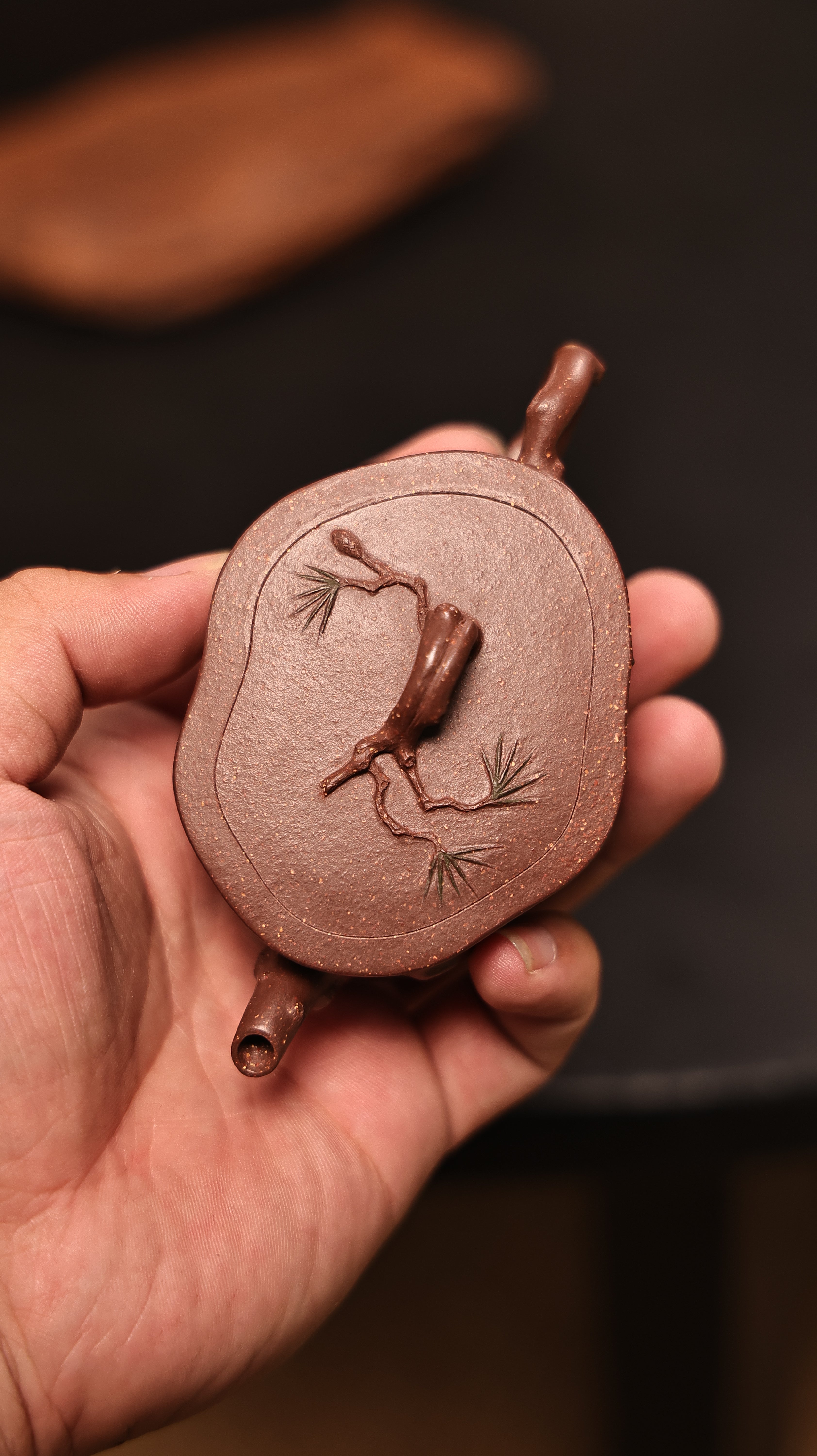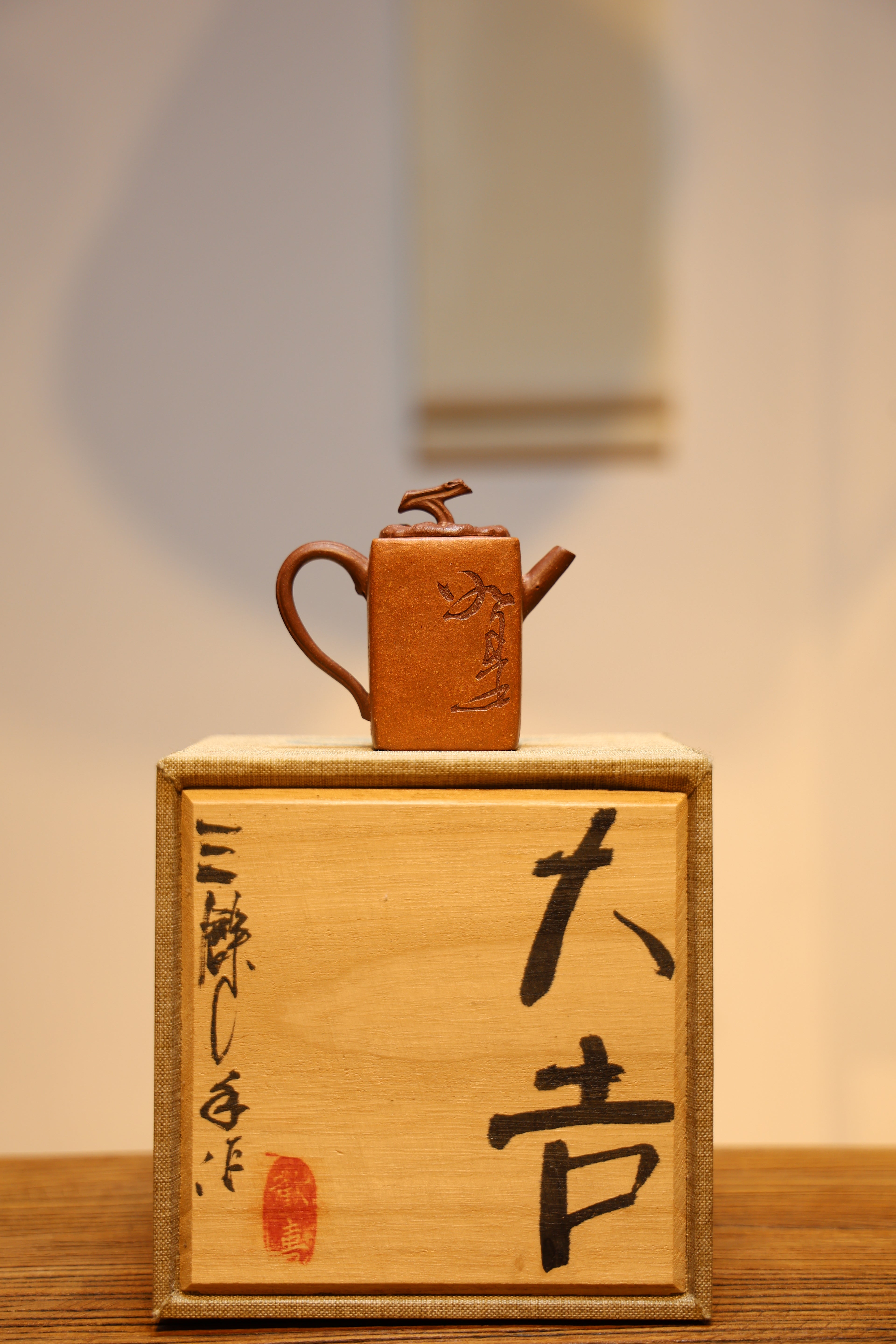
Commencing a comprehensive investigation of Ihsing Tz'u Sha ceramic kettles introduces special intriguing union featuring artistry and functionality.
Yixing Zisha teapots hold an unmatched seductiveness relating to gatherers on a global scale. Specific stunning earthen vessels, emanating from the exclusive Eysing zone of Jiangsu province, China, embody more than just steeping vessels; they are esteemed as works art beauty and rich significance. The finely screened clay, known designated as Zisha, imparts a refined flavor within the tea, and the intricate designs, often revealing traditional Chinese themes, boost their intrinsic value. Possessing a genuine Yixing Zisha teapot offers a satisfying journey, demanding careful inspection and an cognizance of the diverse factors influencing the uncommonness.
Examining Yixing Clay Pots
Issing earthenware pots boast a fascinating record deeply interwoven with Chinese customs. Originating in Yixing, Jiangsu region, these pitchers are crafted from a unique, porous purple soil found only in that specific location. Their advancement began during the Ming period, Yixing Zisha Teapot with master creators refining the approaches over centuries. Diverse types are found, including the classic Hexiang (resembling crab shells), Zhuni (red-brown hue), and Duan Ni (stone-studded) – each with distinctive qualities. The importance of an Yixing tea container isn't solely based on its size or design, but also on the craftsman’s reputation, the substance's quality, and the vessel's age and condition. Curators often seek out older examples, believing they collect the savor of the brew brewed within them over time, further adding to their prominence.- Classic Tea Containers
- Russet Brewing Vessels
- Rock-Adorned Brewing Vessels
Zisha Teapot Mastery: Creation & Means
This manufacture of Zisha teapots represents a height of Chinese ceramic craft. Professional artisans employ age-old techniques, often passed down through descendants, to unlock the full charm of this unique clay. Approaches involve meticulous fashioning by hand, often combined with the twisting method, followed by precise glazing at incredibly severe temperatures in wood-fired kilns. Illustrating is equally crucial; makers utilize original clay colors and may incorporate embossing work to depict intricate scenes or patterns, demonstrating a profound grasp of the material’s aspects and manifestation. The final teapot isn't merely a vessel for tea, but a testament to a profound cultural history.
Classical Ceramics: This Outline to Yixing Zi Sha
Unveiling the world of Ancient teapots often starts with Yixing Zisha. These exceptional clay ceramics are formed from a specific type of clay located only in the Yixing region of Jiangsu Province province. Acclaimed for its singular reddish-purple hue and premium qualities, Zisha clay provides a gentle flavor to the beverage and ripens with age, shaping into a cherished prized possession. Holding Yixing Zisha teapots is more than just possessing a lovely object; it’s a honoring of custom and mastery.
Delving into that Earthenware: Origination & Advancement
Investigating the sphere of Yixing Zisha earthenware can be absolutely fruitful, but entails a discerning insight. Sincerity is indispensable; multiple forgeries are found, regularly cleverly created. Gaining understanding about historical kiln techniques, distinctive dirt particulars, and the symbols of distinguished craftsmen is utterly vital. Furthermore, realizing the complexities of the rise movement – influenced by elements such as archaic value and the shape of the object – is key to rewarding buying.
- Examining kiln trajectory.
- Requesting specialists for authentication.
- Estimating commerce fluctuations.
That Discipline of Preparing with a Stoneware Pot
This original allure of a Zisha kit lies not just in its exquisite appearance, but also in its distinguished impact on the savor of the beverage. These vintage clay earthenware, sourced from specific regions of China, possess a organic porosity that subtly interacts with the drink and leaves, imbuing the brew with a elegant character. Mastering the practice requires a patient approach, understanding how the earth responds to varying heating regimes and herbal types, ultimately leading to a sincerely rewarding sipping adventure.
Safeguarding Exclusive Gem
Proper treatment of your Yixing urn is fundamental to sustaining its lastingness. These prized teapots, crafted from rare Yixing clay, gain a appearance over years that augments their value. Often rinse the internal space with plain water, avoiding soap-based cleaners, and never use abrasive scrubbing tools. Infrequent gentle wiping with a fine cloth can promote in eliminating blemishes. Allow your carafe to thoroughly dry following each serving
Interpreting Zisha: Reasons The Teapots Represent Rare
The prominent appeal of Yixing teapots lies within the characteristic properties of Ceramic clay, found solely near Yixing, eastern China. This uncommon clay, recognized as ferruginous porcelain , contains a unique combination of compounds that, over time, take in the savor of the drinks it handles. This results in a singular aroma for each brew container, delivering it a estimation far beyond its original price and resulting to their coveted status among devotees.
Spotting the Appropriate Regional Kettle: A Zisha Manual
Venturing into the world of Zisha clay teapots can feel daunting, but understanding the essentials is important to finding a valued piece. Those clay, sourced chiefly from the Yixing zone, Jiangsu locality, is noted for its peculiar structure and ability to raise the character of the tisane over period. Ponder the configuration, the tint, and the visual appeal; a true Zisha teapot is more than just a pot; it's a masterpiece and a representation of traditional culture. Look for the symbol of the creator for clues to its source and potential price.