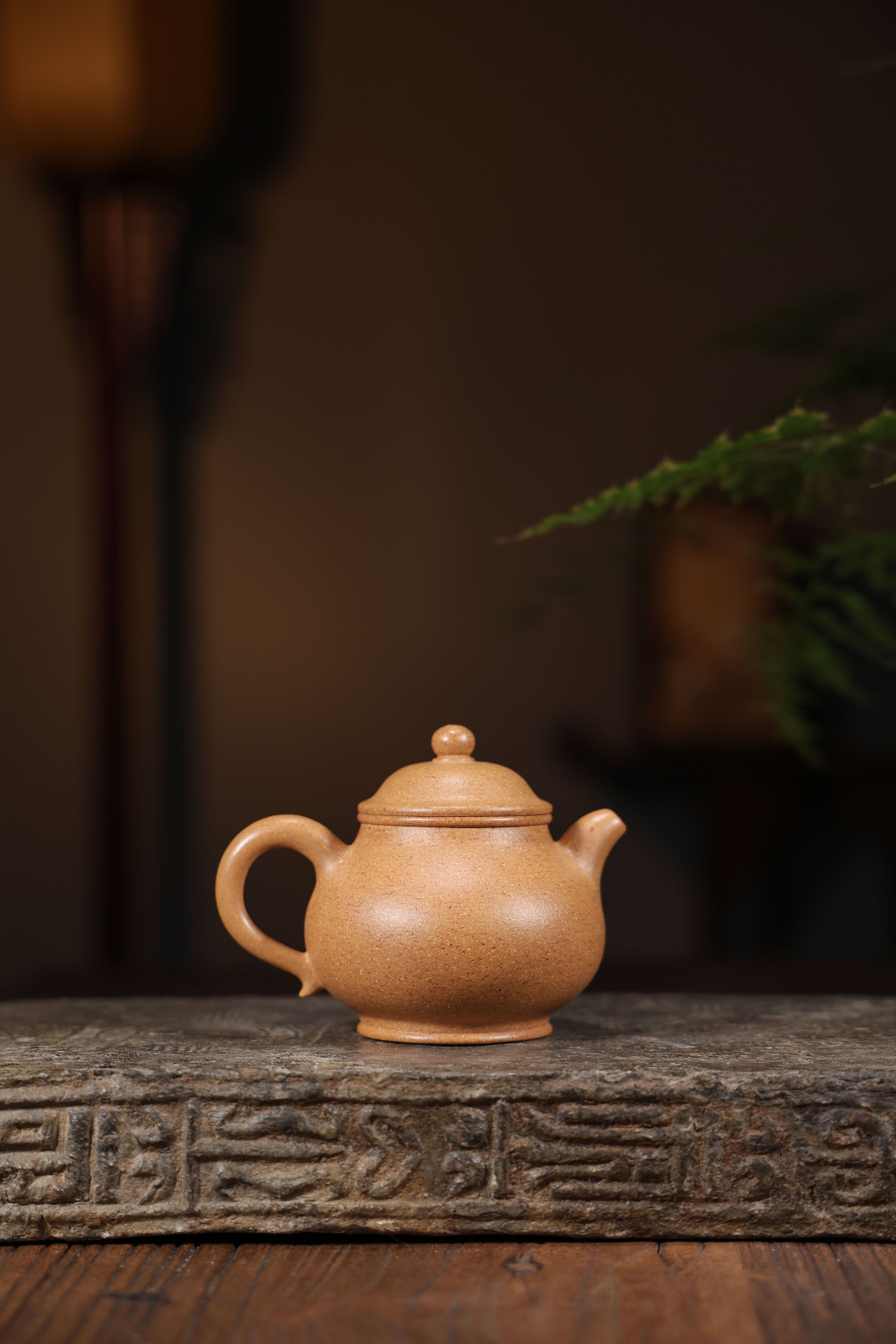
Commencing your detailed review concerning Yi-hsing Zi-sha teapots offers a fascinating mixture among expertise accompanied by effectiveness.
Yi-hsing Tzu-sa porcelain pots retain special peerless fascination concerning devotees all over the world. Particular stunning terra cotta vessels, native from the singular Yi-hsing province within Jiangsu district, China, feature more than just brewing tools; they are viewed as works masterful beauty and traditional significance. That finely refined clay, known for Zisha, imparts a nuanced flavor to the tea, and the stylized designs, often exemplifying traditional Chinese symbols, contribute to their inherent value. Gaining a genuine Yixing Zisha teapot presents a gratifying journey, demanding careful inspection and an awareness of the diverse factors influencing their specialness.
Investigating Yixing Vessels
Yixing brewing vessels boast a deep background deeply interwoven with Chinese identity. Originating in Yixing, Jiangsu territory, these containers are crafted from a unique, porous purple mineral found only in that exclusive location. Their development began during the Ming time, with master craftspeople refining the means over ages. Various types persist, including the classic Hexiang (resembling crab shells), Purple Clay Teapot Zhuni (red-brown hue), and Duan Ni (stone-studded) – each with distinctive appearances. The cost of an Yixing ceramic vessel isn't solely based on its size or ornamentation, but also on the designer’s reputation, the soil's quality, and the teapot's age and condition. Devotees often seek out older examples, believing they impart the character of the beverage brewed within them over time, further adding to their distinction.- Crab Shell Brewing Vessels
- Earth-Toned Brewing Vessels
- Rock-Adorned Brewing Vessels
Zisha Teapot Mastery: Creation & Means
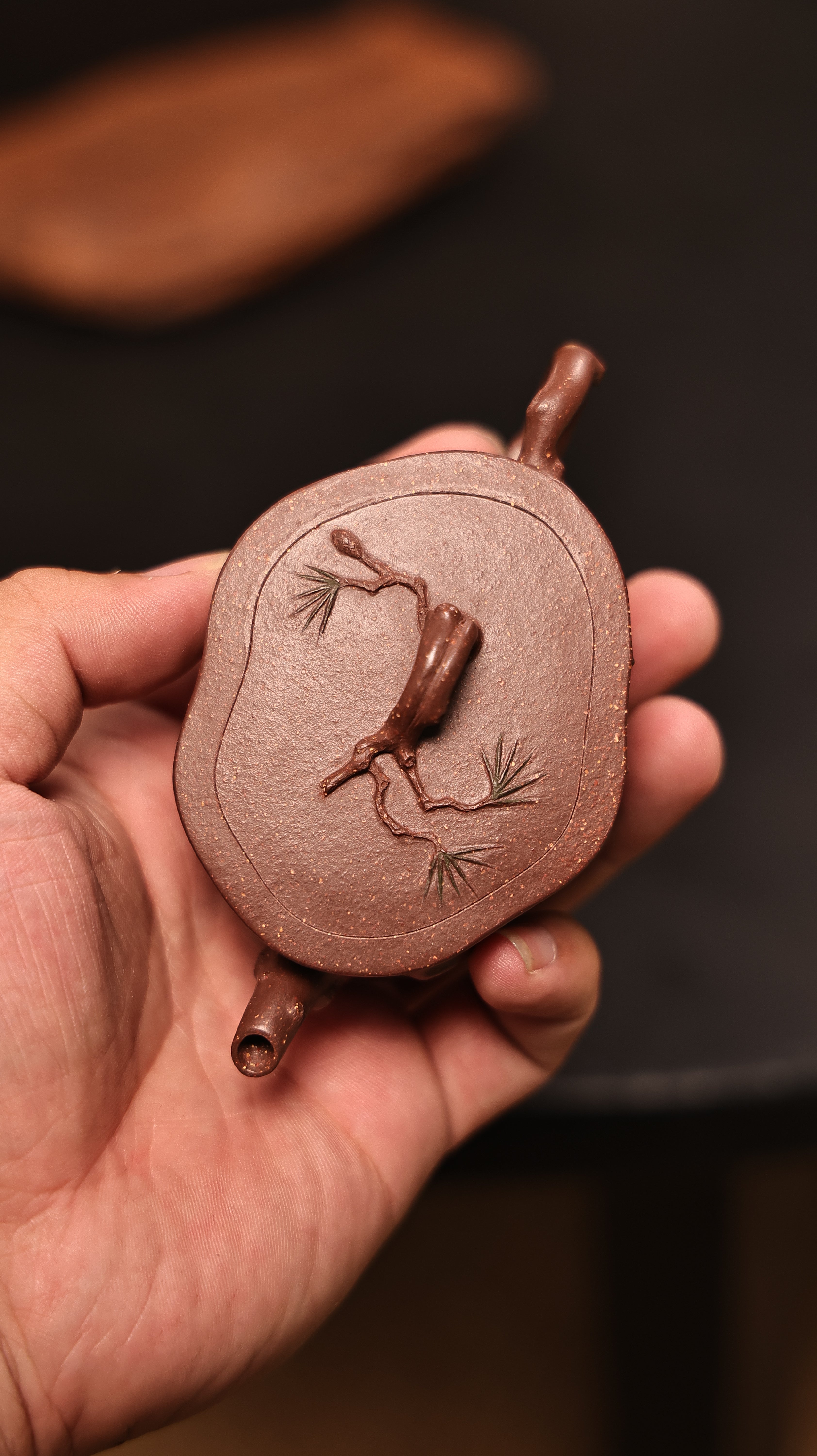
This formation of Zisha teapots represents a height of Chinese ceramic mastery. Proficient artisans employ time-honored techniques, often passed down through offspring, to unlock the full beauty of this unique clay. Procedures involve meticulous designing by hand, often combined with the building method, followed by precise curing at incredibly high temperatures in wood-fired kilns. Ornamenting is equally crucial; designers utilize natural clay colors and may incorporate engraving work to depict intricate scenes or patterns, demonstrating a profound awareness of the material’s qualities and vitality. The product teapot isn't merely a vessel for tea, but a testament to a rich cultural tradition.
Eastern Tea Containers: One Synopsis to Yihsing 紫砂
Investigating the world of Traditional teapots generally starts with Yixing Zisha. These special clay earthenware are formed from a specific type of clay located only in the Yixing region of the Jiangsu area province. Recognized for its typical reddish-purple hue and exceptional characteristics, Zisha clay offers a soft flavor to the elixir and advances with age, becoming a cherished collectible. Possessing Yixing Zisha containers is more than just controlling a handsome object; it’s a salute of practice and finesse.
Investing in the Purple Clay: Realness & Growth
Beginning the field of Yixing Zisha clayware can be utterly gratifying, but needs a sharp understanding. Legitimacy is required; abundant imitations are present, often deceptively made. Learning about traditional tempering styles, identifying material properties, and the inscriptions of trusted potters is completely vital. On top of that, acknowledging the complexities of the rise movement – influenced by elements such as historical value and the form of the artifact – is essential to rewarding gathering.
- Exploring clay history.
- Contacting consultants for validation.
- Understanding exchange patterns.
A Process of Creating with a Purple Teapot
That singular allure of a Zisha teaware lies not just in its elegant appearance, but also in its notable impact on the flavor of the tisane. These time-honored clay pots, sourced from exclusive regions of China, possess a inherent porosity that lightly interacts with the fluid and leaves, imbuing the drink with a gentle character. Mastering the process requires a persistent approach, understanding how the terracotta responds to different thermal states and tea types, ultimately leading to a actually rewarding sipping adventure.
Protecting Exclusive Gem
Proper treatment of your Yixing urn is fundamental to sustaining its lastingness. These exceptional teapots, crafted from exclusive Yixing clay, form a finish over decades that magnifies their worth. Systematically rinse the inside with pure water, avoiding soap, and never use rough scrubbing tools. Occasional gentle rubbing with a silky cloth can aid in wiping away stains. Allow your container to absolutely dry after each occasion
Explaining Purple: Factors Given Vessels Signify Outstanding
The celebrated appeal of Yixing teapots emerges from the singular properties of Purple clay, extracted solely near Yixing, the Memorable Chinese region. This exceptional clay, categorized as ferruginous mud , possesses a unusual combination of ingredients that, as years pass, absorb the taste of the beverages it embraces. This generates a one-of-a-kind fragrance for each pot, transforming it a merit far outperforming its original price and resulting to their coveted status among devotees.
Spotting the Appropriate Regional Teapot: A Yixing Clay Introduction
Venturing into the world of Zisha clay teapots can feel challenging, but understanding the foundations is essential to acquiring a esteemed piece. This model of clay, sourced essentially from Yixing, the Jiangsu area, is well-regarded for its exclusive grain and ability to boost the bouquet of the elixir over duration. Ponder the contour, the tint, and the visual appeal; a real Zisha teapot is more than just a receptacle; it's a artistic piece and a emblem of ancient culture. Examine the mark of the artisan for clues to its heritage and potential standing.