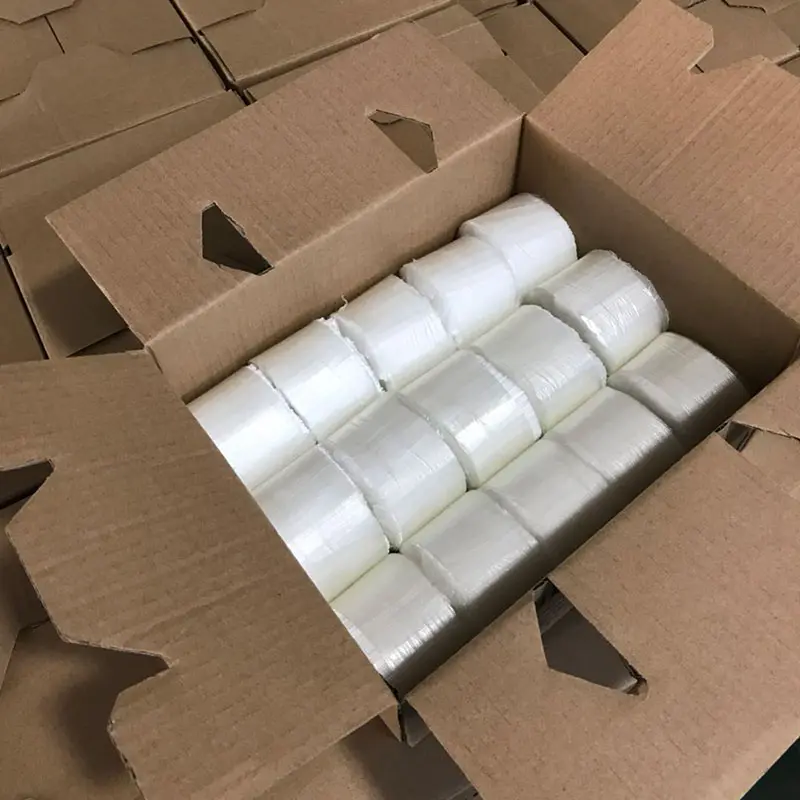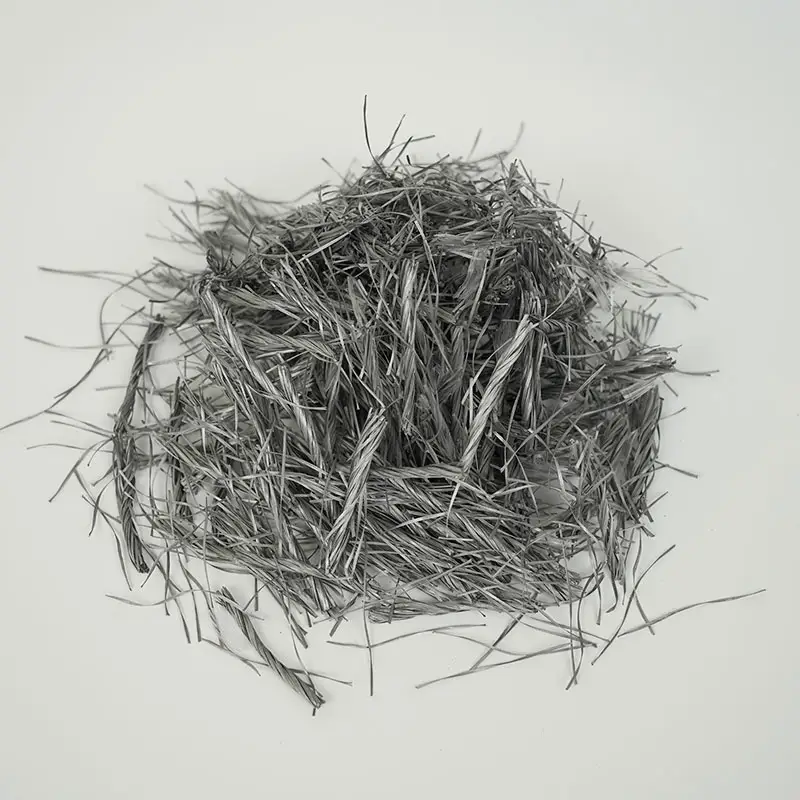
Kicking off thorough analysis of synthetic fiber thread implementations within building composites buildings.
Polyprop fiber optic delivers an reliable strategy aimed at strengthening sturdiness together with pliability on construction elements. Such slight components occur as regularly combined during the solution production, curbing rupture formation in addition to strengthening resistance when faced with shocks. Accordingly, the application of polyprop filaments causes concrete fabrications more tough and renewable
Polypropylene reinforcement in masonry functions: The Broad Summarization
Synthetic components are commonly incorporated within the building sphere as an powerful approach for boosting service life and output. These small elements, generally covering over 0.5 and 12 mm in length, offer a array of upside, including lowered rupture and malleable deformation. Compared with conventional steel stiffening, polypropylene pieces are lightweight, rust-resistant, and are capable of be conveniently embedded into the cementitious.
- Lessens fractures
- Strengthens stability to vibration
- Delivers improved performance
- Decreases erection fees
Perks of Applying Polymer reinforcements towards structural projects
Employing PP fiber in concrete furnishes countless positive outcomes. It notably fortifies robustness of this mix, diminishing rupturing caused by reduction. Furthermore, these threads offer excellent robustness to stress and scraping, making constructions significantly more robust. Additionally, the slim character of olefins threads simplifies fitting and curtails entire project financial obligations.
Manners PP fibres improves cement frameworks
Resin-based filament system yields some innovative technique to improve the lastingness of construction buildings. In distinction from traditional steel polypropylene concrete fiber fortification, polypropylene strands are small and widely dispersed the matrix during casting. These synthetic units primarily operate by attenuating the onset of splits caused by tightening and climate-related strain. Notably, they act minute strengthening agents, unifying slight clefts and limiting the transmission of material damage. What's more, polypropylene fibers are minimal-mass, cost-efficient, and unaffected to damage, making them a realistic alternative for particular functions.
- Benefits of Polypropylene Filaments
- Curtailed Fissure Occurrence
- Elevated Longevity
- Outlay Reduction
Selecting this ideal PP thread regarding your structural formulation
Skillfully incorporating polypro reinforcement during your aggregate needs judicious consideration. The grade connected with unit one pick markedly alters end strength and manageability regarding this construction. Parameters especially part length, ratio, and additive cohesion are important towards realizing maximized payoffs.
Price Efficiency and Performance of PP Cement Filament
PP filaments in cementitious provide significant affordability versus traditional iron rebar. As much as the beginning charge may be marginally increased, curtailed staffing fees involving installation and the extended utility timeframe of fabrications deliver in advantageous paybacks. Moreover, composite components elevate building shock strength, decrease ruptures, and improve overall sturdiness, accordingly making them a workable solution for a expansive set of purposes.
Novel Purposes of Resin-based reinforcements within composite compositions
Emerging scrutiny indicate innovative services for polyprop filament across the structural sector. These micrometric inclusions appreciably strengthen concrete's endurance, specifically aggregate's potential to tolerate rupturing and deformation. Concentrated cases include automated aggregate mixtures where material unleashes encapsulated healing agents upon rupture, and slight masonry for designated uses in the aeronautical and transportation areas. Additional examination is in motion to advance effectiveness and fiscal viability of this advantageous process.
Exploring various Aspects concerning Plastic Concrete Reinforcement
Plastic fibers in masonry applications contain exclusive properties that markedly govern the performance for enhanced constructive applications. These components are regularly constructed from melt-spun PP compound, leading to a compact and pliable addition. Fundamental merits address:n
- Improved fissure toughness
- Impressive pressure might
- Diminished shrinkage splitting
- Excellent material durability
PP Fiber versus Alternative Concrete Reinforcement Options
When evaluating concrete assignments, the process of back-up constituents is crucial. Resin-based filament has developed as a promising option to traditional rebar mesh. While ferrous supplies major tensile durability, it is subject to deterioration, boosting sustenance charges. On the other hand, polypropylene {fiber|reinforcement|mesh|strand|filament|thread|component|