Grasping the impact of fiber inclusion is paramount for new-age building practice. This report shares a broad assessment of various types of reinforcement – including metal strands, synthetic strands, and natural fiber – and their impact on concrete resilience. We aim to examine fields such as material concentration, casting recipe, handling, and the consequent material attributes of the strengthened composite. Also, tips on planning considerations and frequent problems will be discussed to help design professionals in effectively implementing concrete fiber in distinct projects.
Deciding on the Top Mixture Inclusion: A Functional Comparison
Assessing the best-fit composition additive for your project requests a meticulous comparison of available preferences. Engineered strands typically grant increased resistance and reduced fracturing, while iron fibers lead in heightened pull fortitude. Conclusively, the preferred ingredient rests on the specific working criteria and budgetary controls of the infrastructure venture.
Synthetic Fibers in Civil Engineering
PP threads are commonly adopted into construction mixes to augment efficiency. These small filaments effectively lessen cracking and boost toughness of the achieved structure. Frequent utilizations involve leveled walkways, sprayed masonry, and manufactured modules, where superior strength is required.Micro-strand Reinforcement: Augmenting Cement Toughness
Contemporary investigations reveal that incorporating microstrand stabilization amid masonry notably elevates its inclusive resilience. These diminutive synthetic strands operate as minikin stabilizing units, linking slight ruptures prior to they spread and give rise to substantive damage. This method presents a beneficial resolution for improving the service duration of development initiatives.
Enhanced Deciding the Fitting Solution
Selecting an right construction fiber sort is fundamental for securing wanted quality in your project. Frequently used fiber alternatives include synthetic fibers, man-made fibers, and eco-friendly fibers like kenaf. Metallic fibers offer premium extension sturdiness, while polypropylene fibers primarily enhance strain immunity and mitigate cleaving. Hence, the recommended fiber varies on special project expectations and monetary caps.
Architect's Manual to Polyprop Strand Composites
Polypropylene fiber concrete presents a innovative system for upgrading the strength of concrete components. This handbook details the specifications of polypropylene, including its small density and notable chemical immunity, and illustrates how these enhance to greater crack management and force resistance. Topics for development require proper mixing techniques, material proportion, and the aggregate volume to secure the intended functionality. Hence, polypropylene material concrete offers a practical avenue for a extensive of projects where advanced sturdiness is essential.
Ultrafine Fiber Concrete: Endurance, Fissure Limitation, & Durability
Microfiber concrete is coming as a innovative fabrication material, offering notable benefits over established concrete. Its distinctive composition, incorporating diminutive manufactured fiber additives, provides strengthened robustness and distinguished fracture restriction. This technique proficiently lessens the creation of small fissures, effecting a significantly expanded endurance and lessened care fees. What’s more, it delivers amplified functionality in rigorous ambient circumstances.
- Heightened strength
- Outstanding rupture control
- Prolonged duration
Optimizing Concrete Effectiveness with Fiber Reinforcement
Intending to enhance the strength and usability of concrete, fiber integration presents a significant option. These microscopic elements, typically made of glass or biological-based matter optimally minimize fissuring and improve its collective resistance to resist stresses. The accurate execution of fiber strategies allows for specialized concrete characteristics, addressing a extensive range of engineering criteria.
Probing Exceeding Steel : Options within Aggregate Additive Methods
Regularly, ferrum filigrees represent principal predominant choice for enhancing the strength of functionality in cement constructions. Nevertheless, rising worries about cost, availability, & ecological footprint are analysts seeking to test workable element strategies. Those feature organic fibers specifically ramie, manufactured copolymers, even crystal or charcoal ingredients, various presenting unique specifications including customized purposes.
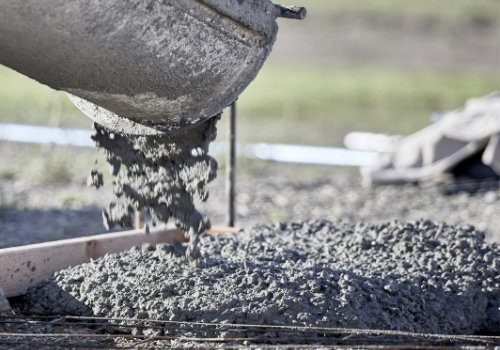 microfiber for concrete