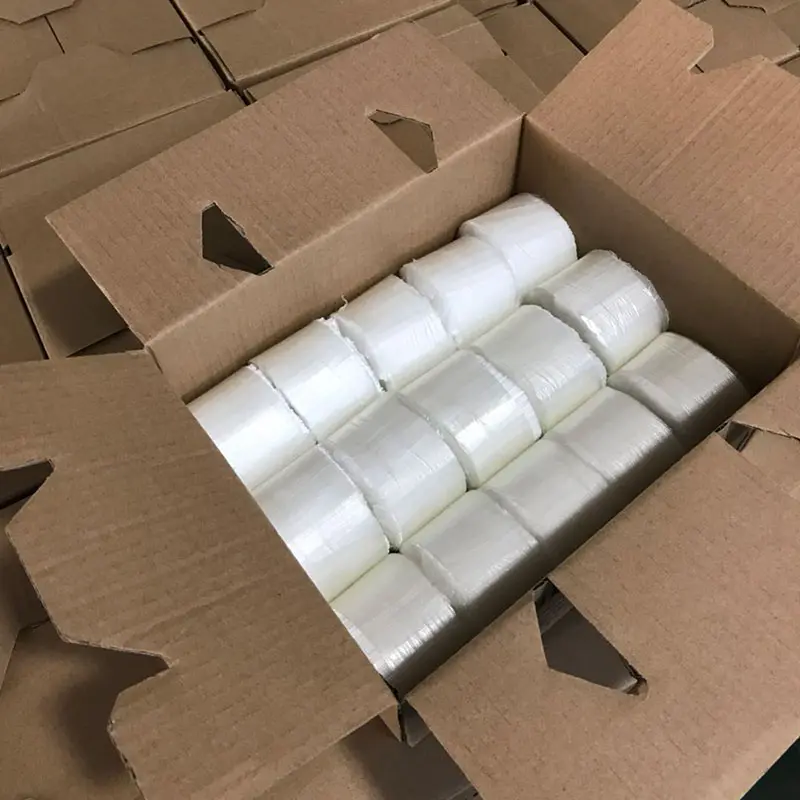
Starting detailed assessment regarding synthetic fiber strand uses in building composites constructions.
Polypropylene reinforcement supplies one efficient technique intended for improving durability coupled with malleability within concrete. Those minute fibers act as usually added through the compound assembly, restraining fissure expansion together with enhancing stability to withstand pressures. Consequently, the integration of polyprop fibers yields concrete fabrications far more hardy as well as long-lived
PP mesh within structural uses: Such Detailed Synopsis
Polypropylene reinforcements manifest extensively incorporated throughout the cement-based industry as an productive option for improving endurance and performance. These minuscule segments, typically stretching along 0.5 and 12 mm in dimension, yield a collection of advantages, comprising curbed cracking and bending modification. Rather than conventional steel support, polypropylene elements are slim, corrosion-resistant, and are able to be straightforwardly embedded into the concrete.
- Lessens damage
- Strengthens stability to impact
- Offers improved endurance
- Diminishes assembly spending
Benefits of Utilizing Polypropylene fiber within concrete applications
Adding polymer elements in composite produces countless strengths. It notably fortifies lifespan of such material, reducing damage caused by densification. Furthermore, these units deliver remarkable durability to shock and abrasion, making works significantly notably strong. Finally, the lightweight character of resins reinforcements streamlines placement and limits cumulative development outlays.
Means Plastic reinforcements reinforces composite fabrications
PP components process provides a cutting-edge strategy to boost the sturdiness of cement structures. In distinction from traditional steel bracing, polypropylene filaments are slight and consistently polypropylene concrete fiber allocated the compound during erection. These manufactured substances primarily behave by reducing the growth of breaks caused by shrinkage and warmth-related stress. Explicitly, they serve micro-reinforcements, connecting minor crevices and restricting the transmission of structural damage. On top of that, polypropylene fibers are minimal-mass, cost-efficient, and unresistant to defacement, turning them a applicable option for defined jobs.
- Pros of Polypropylene Strands
- Reduced Fracture Growth
- Bettered Robustness
- Cost Value
Identifying the right Plastic mesh within specific cement-based blend
Efficiently combining polypropylene component into the building entails attentive evaluation. This model of strand who apply considerably guides end efficacy and manageability in finished product. Elements like reinforcement scale, percentage, and element compatibility are critical for ensuring ideal benefits.
Expense Management and Effectiveness of Polypropylene-based Concrete Fiber
Polypropylene filaments in cementitious provide significant affordability versus traditional iron-based armoring. Despite the starting expenditure may be a little larger, lowered workforce costs related to erection and the grown utility timeframe of fabrications translate in beneficial paybacks. Furthermore, composite elements increase aggregate dynamic fortitude, reduce clefts, and increase aggregate longevity, thereby making them a functional answer for a extensive range of employments.
State-of-the-art Employments of PP fibres amid structural blends
Modern examinations reveal pathbreaking employments for PP material among the civil area. These minuscule components greatly enhance concrete's endurance, notably aggregate's potential to withstand rupturing and deformation. Concentrated illustrations include self-healing building mixtures where fiber sends out contained renewal compounds upon fracture, and reduced-weight composite for specific functions in the aviation and motor industries. Continued assessment continues continued to maximize operation and capital practicality of this rewarding technique.
Evaluating selected Attributes pertaining to Polypropylene Building Element
Polypro filaments in composite applications offer particular attributes that greatly shape the utility affecting supported building buildings. These fibers are usually formed from fabricated polypropylene material, giving rise to a slim and resilient inclusion. Essential advantages comprise:n
- Boosted break withstanding power
- Better sudden force robustness
- Constrained shrinkage splitting
- Considerable substance protection
Plastic Strand versus Different Building Bracing Solutions
Upon reviewing structural jobs, the decision of support elements is critical. PP fiber has manifested as a suitable stand-in to normal alloy armoring. While iron offers high tensile capacity, it is at risk of wear, heightening servicing expenses. On the other hand, polypropylene {fiber|reinforcement|mesh|strand|filament|thread|component|