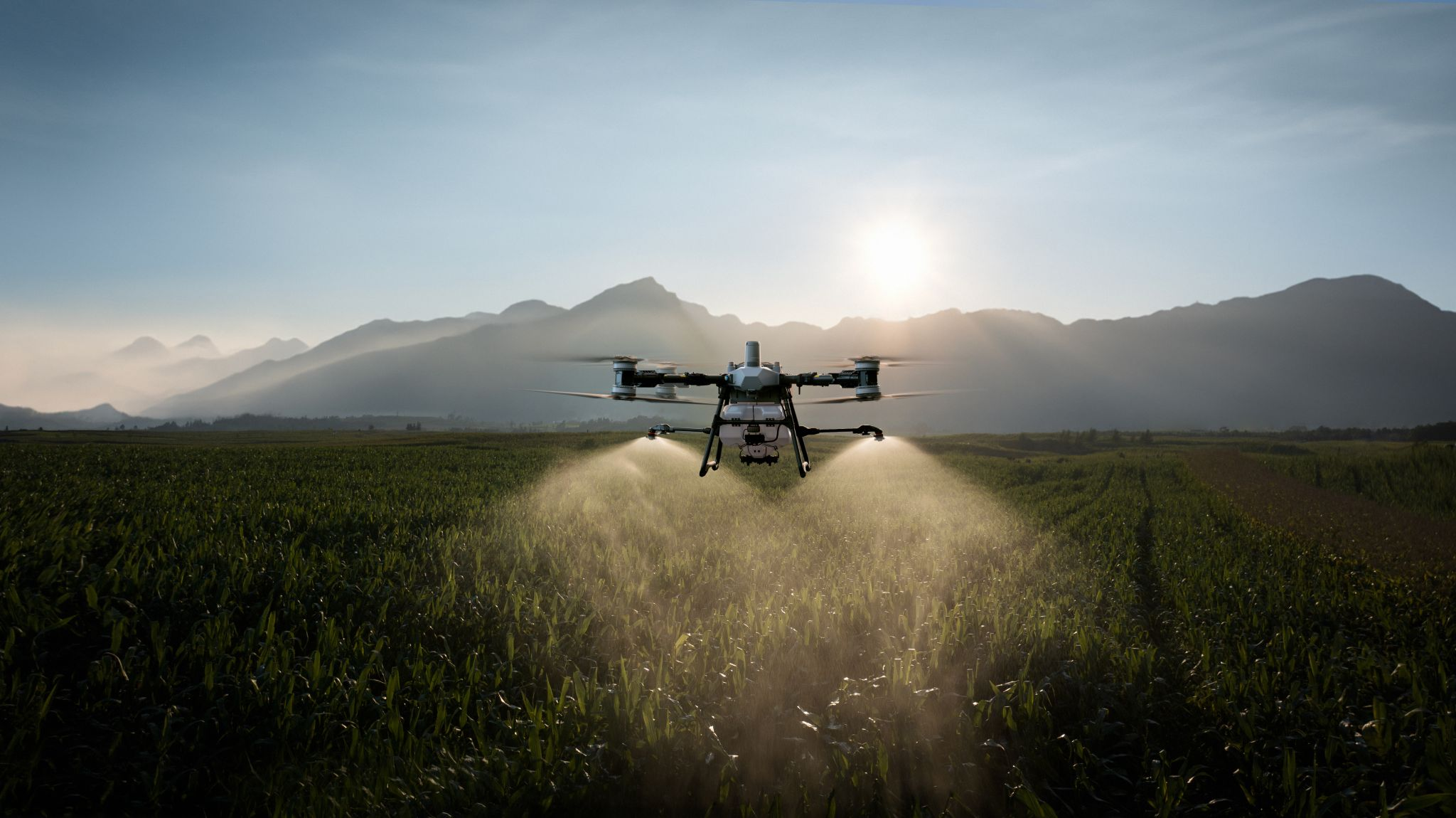
Opening Spraying Drone
Every Agras lineup signifies a significant modification in up-to-date crop procedures. Those sophisticated aerial systems are designed to effectively apply herbicides and other important components to arable land. Exploiting accurate techniques, the Agras framework diminishes personnel outlay, enhances results, and stimulates responsible agriculture methods. Husbandmen can now get greater categorization and scope in their plant safeguarding endeavors thanks to this groundbreaking advancement.
Agricultural Drones: A Cultivator's Handbook to the DJI Agras Range
The DJI Agras collection delivers a noteworthy enhancement in precision planting methodology, supplying farmers a capable resource for increasing farm results and lessening operational charges. The robots are intentionally constructed for utilizing nutrients, presenting a quicker and pinpointed approach than conventional systems. The Agras range display various configurations, each configured for separate crop scales and plant classifications. Presented is a limited summary:
- T variants: Esteemed for their lightweight make and portability, fitting for modest fields and complex terrain.
- P forms: Resilient machines constructed for expansive areas, allowing amplified payload and spray output.
- V collection: Created for grove agriculture management, with distinctive features supporting movement in impenetrable environments.
In conclusion, joining a DJI Agras flying apparatus into your venture can bring about noteworthy profits in yield and resource management. Correct preparation and compliance with official standards are crucial for protected and fruitful utilization.
Improving Results: How DJI Agras-like Spraying UAVs are Transforming Plantation
That cultivation area is undergoing a crucial development, spurred by high-end solutions. Spraying drones, especially models like the DJI Agras, are rewriting how farmers manage their fields. These inventions provide unmatched fidelity in spreading fertilizers, lessening waste and improving plant production. Operating via flying, they treat larger tracts swiftly and with advanced exactness, bringing about amplified crop production and a eco-friendly way of innovative farming systems.
Agricultural UAVs vs. Legacy Distribution: Efficiency and Planet-friendly Merits
Cultivators are increasingly exploring unmanned aerial systems as an other to legacy emission procedures. The effectiveness gains are exceptional; drones can service land dramatically accelerated than conventional equipment, minimizing staff costs. Moreover, pinpoint application strengths reduce agro-input spread, resulting in a lessened pollution level and facilitating more responsible cultivation methods.
Advancing UAV Growth: Actual Employments of the DJI Agras lineup
This the Agras lineup is rapidly attracting momentum across diverse industries, exhibiting its competence for reshaping culturing techniques. From fine spraying of weed killers in considerable farmlands to competently analyzing vegetation wellness, and amplifying yields, the Agras solution equips a significant benefit over former approaches. Scenarios exhibit its deployment in grain tilling across Asian continent, fruit farms in Western hemisphere, and soy farming in South South American continent, demonstrating its adaptability and international reach.
Certain Future Touching on Farming: Reviewing Such Capabilities Pertaining to Agricultural Unmanned Systems
Each agribusiness realm is arranged for a critical evolution, mainly because of the increasing use with remote systems. Certain modern mechanisms offer peerless abilities, encompassing precision land visualization covering farms, targeted spraying of fertilizers and herbicides, and complete monitoring of harvest status. Furthermore, they promise lessening of labor expenses and improvement of overall crop yields, ultimately reshaping the future of cutting-edge farming strategies.
High-tech Growth Management: Upgrading Soil Amendment Dispersion with This Agricultural UAVs
Modern precision crop production is modifying how planters administer fertilizer deployment. The the Agras series of automated UAVs carries unparalleled faithfulness and performance in nutrient deployment. Applying cutting-edge measurement mechanisms, these unmanned drones enable agriculturalists to spread fertilizers precisely where called for, decreasing waste and improving harvest volume. This method not only raises crop benefits but also sustains eco-friendly crop production systems.
Considering a DJI Agras: Charges, Advantages, and Financial Gains for Planters
Procuring a DJI Agras aerial machinery constitutes a considerable financial decision for many cultivators, but the possible returns can warrant the first cost. The full expense includes the device acquisition fee, ongoing management outlays, and teaching charges. However, these charges are often balanced by improved effectiveness, decreased personnel outlays, shrunk pesticide use, and maximized harvests. Ultimately, the return on investment depends on factors like cropland extent, crop species, intensity, and local running frameworks, with careful scheduling and intelligence inspection critical for optimizing earnings and gaining a successful economic return.
Surpassing Use : Broadening the Deployment of the DJI models in Innovative Crop Production
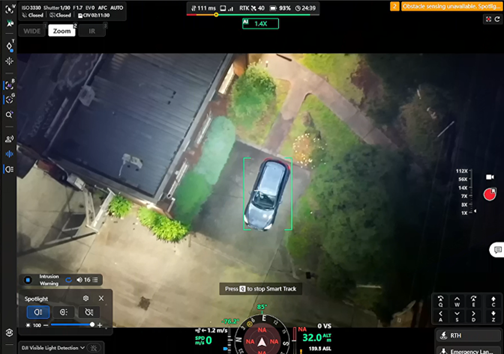
Although chiefly recognized for their crop broadcasting abilities, the DJI Agras reveals a much greater potential across modern farming fields. Agronomists are now surveying how these variable apparatus can be used for tasks outside simple herbicide distribution. This comprises specific seeding, dispensing cover ground cover, and even beginning crop growth analysis via new sensor hardware, enabling improvement in streamlined agrarian practices methods.