Ceramic statue illustrates a outstanding craft version with a expansive past, covering back legions of years. From ancient holders to present-day exhibitions, the matter offers unique possibilities for creative expression. Craftsmen use wide-ranging techniques – including hand-building, wheel shaping, and developed firing processes – to craft humble silt into compelling three-dimensional creations. The endurance of fired terracotta also contributes to its status as a truly consequential part of human custom.
Researching Ceramic Panel Styles and Procedures
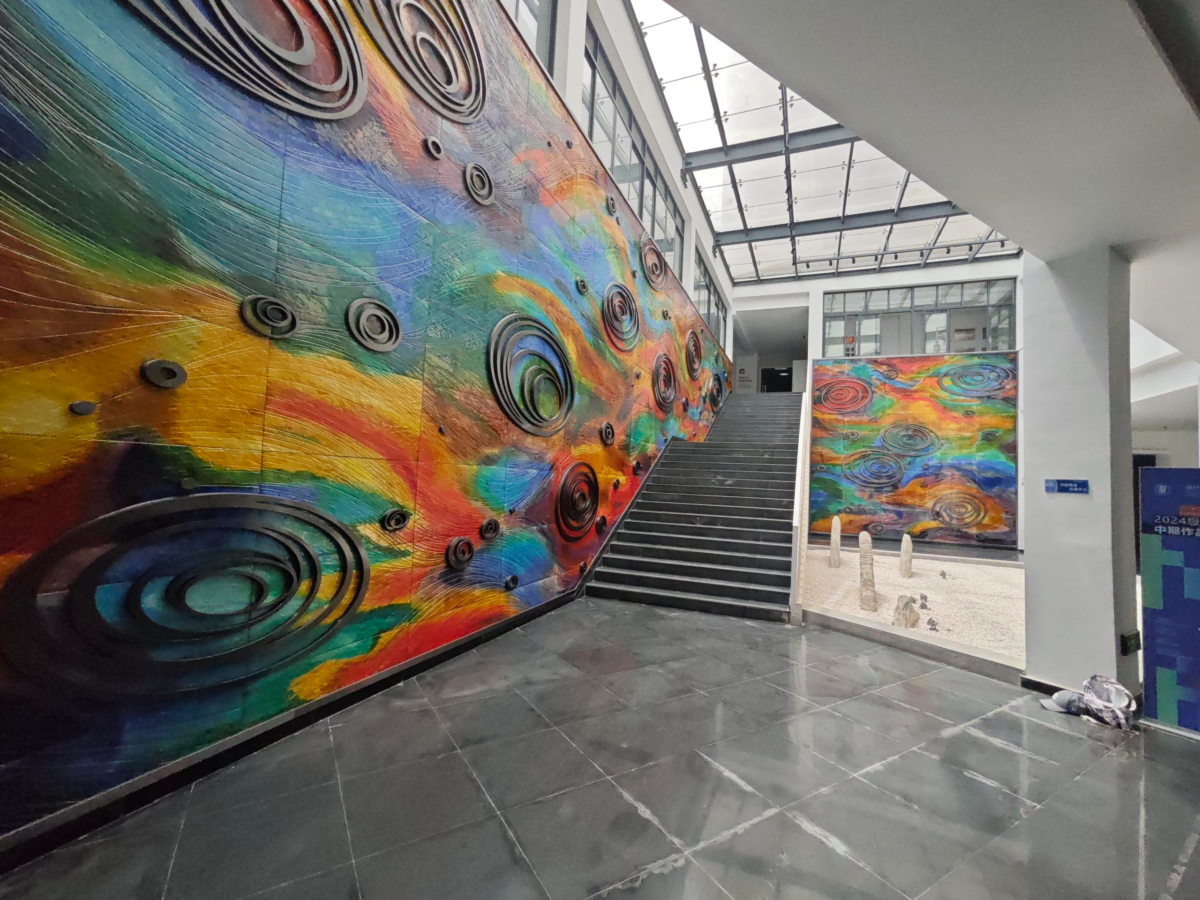
The area of ceramic badge design offers a considerable array of creative possibilities. Designers often incorporate a combination of heritage-based and cutting-edge techniques to fabricate visually stunning pieces. These can include from simple, etched reliefs to complex, multi-layered formulations. Typical methods include pattern casting, forming by hand, the glaze process – which can involve multiple types like initial glaze painting, decoration on top of the glaze, and scratched design where designs are uncovered by scraping a layer of glaze. Enhanced scrutiny into surface treatments such as raku firing and pearlescent coating can offer truly special and bespoke stoneware tiles.
- Slip Casting - Assembling pieces using a design
- Artisanal Molding - Accurately crafting the material
- Glaze Application - Smearing the layer with a shiny finish
- Scraped detail - Making visible designs by excavating shells
Enveloping Experiences: Earthenware Art Installations
The progressing landscape of design presents exciting innovative avenues for guests, and ceramic art installations are at the pinnacle of this shift. These aren't just static statues; they are engineered to envelop the visitor in a sensory space. Imagine navigating within a forest of towering, fired ceramic trees, or navigating a mesh of exquisite ceramic vessels. Many creators are now incorporating noises, visuals, and even smell to enhance the impression of their work. Consider the power of a room filled with hundreds of delicately ceramic items, each telling a legend. Regularly, such installations probe themes of environment, remembrance, and people.
- These particular installations blur the divisions between statue and structure.
- Interacting with a ceramic art installation can be a deeply meaningful journey.
- Producers are expanding the edges of what is conceivable with clay.
Each Grace of the Terracotta Pot: Utility and Formation
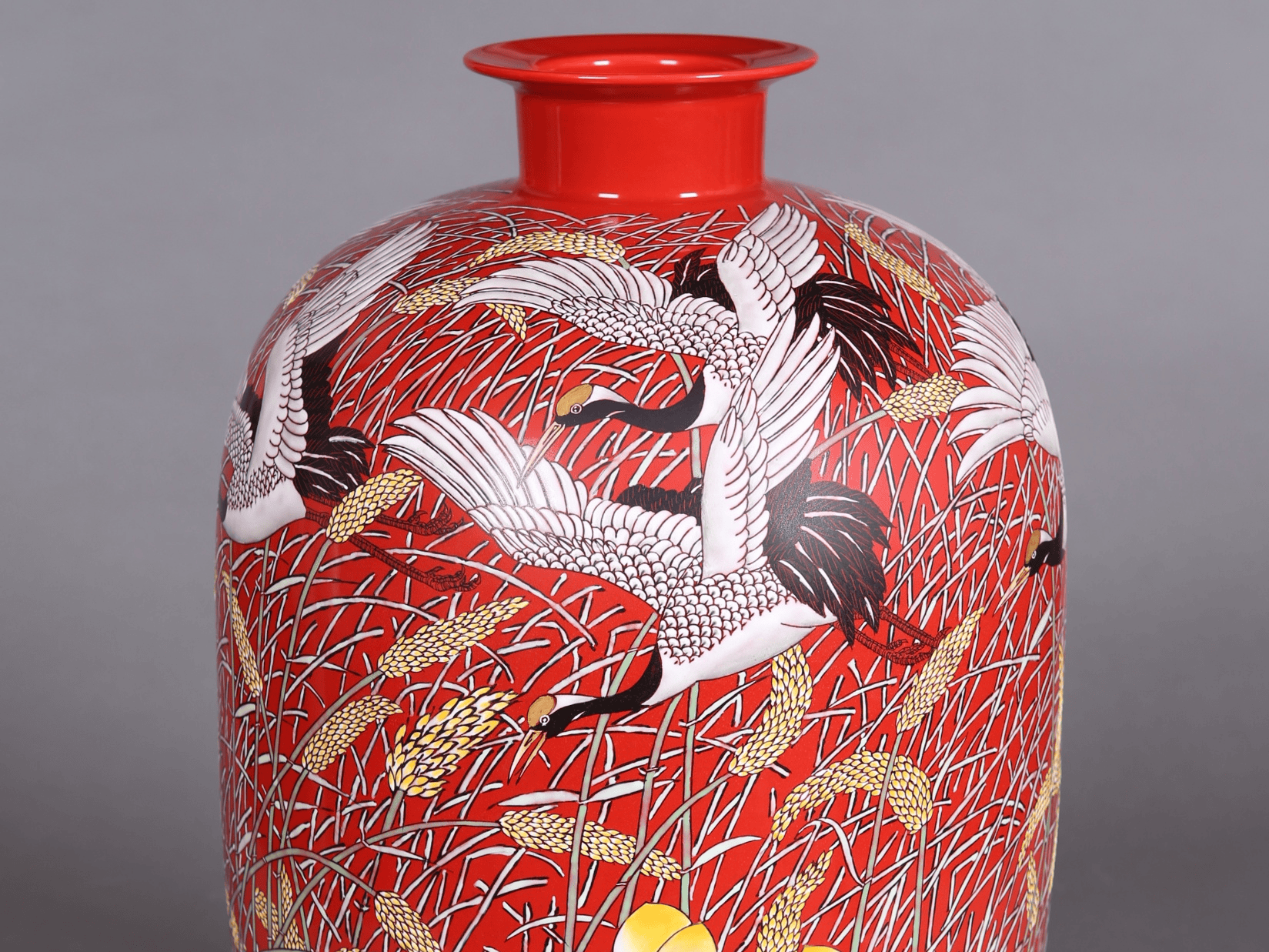
The pottery receptacle represents a wonderful integration of effectiveness and visual appeal. Historically, these jars served a simple purpose in preserving flowers, but their transformation has transformed them into highly valued works of handiwork. Each piece showcases the proficiency of the sculptor, demonstrating how form can be as crucial as utility. The conscientious shaping, the distinctive glazes, and the entire presence of a masterfully-crafted pot can improve a space, offering both splendor and a soft reminder of the creative hand.
Up-to-date Stoneware Sculpture : Extending Edges
Up-to-date porcelain design represents a fascinating evolution from historical practices. Designers are vigorously advancing with modern techniques, questioning the boundaries between pottery and separate imaginative areas. From colossal installations to elaborate miniature pieces, noted works probe themes of identity while at the same time rethinking the definition of what ceramics can achieve. The product is a exciting world of imaginative manifestation.
Earthenware Marker: Maintaining Tradition in Earth
Clay plaques offer a distinctive method for recording significant events and people. Unlike traditional metal or stone markers, these durable pieces of production are formed from treated clay, creating a real link to the preceding days. Generally, they feature intricate figures or beautifully rendered imagery, portraying stories that might otherwise be disremembered. Such technique, going back to ancient cultures, provides a striking and permanent way to pay tribute to our collective chronicle. Magic Cube Ceramics
- The mentioned can be set in shared spaces.
- Numerous are now considered historical wonders.
Porcelain Art Arrangements: Reimagining Locations
Clay art installations are growing a powerful medium for artisans to transform public and private sites. These immersive installations frequently involve massive clay sculptures that attract viewers, altering their understanding of the engineered environment. By adopting diverse techniques like modeled construction and detailed firing processes, ceramic artists develop truly exceptional experiences, overlapping the edges between art and building. The effect is often a touching change that strengthens the stylistic quality of the area and develops dialogue.
Commencement Potter's Wheel to Phenomenon: The Art of the Terracotta Pot
The journey of a stoneware vase from a simple lump of mud to a finished work of mastery is a testament to human craftsmanship. Conventionally, the process kicks off with the potter’s lathe, where the expert artisan molds the revolving clay into a cylindrical figure. This introductory phase demands sharpness and a disciplined eye, followed by a delicate firming period. Once rough-fired, the vessel is ready for ornamentation, which may comprise glazing intricate arrangements, incising detailed scenes, or adding a array of glazes. The last cooking process then evolves the piece into a durable and exquisite holder, a tangible demonstration of the artisan's skill.
Crafting with Brick: A Guide to Clay Work
Immersing the sector of ceramic creation begins with comprehending the cornerstones of crafting with brick. This method entails meticulously applying and chiseling stuff to generate three-dimensional objects. Whether you're a novice or a skilled artisan, testing with distinct classes of stoneware – specifically clay – will advance you identify your special manner. In conclusion, porcelain shaping is a worthwhile undertaking that merges skilled know-how with expressive presentation.