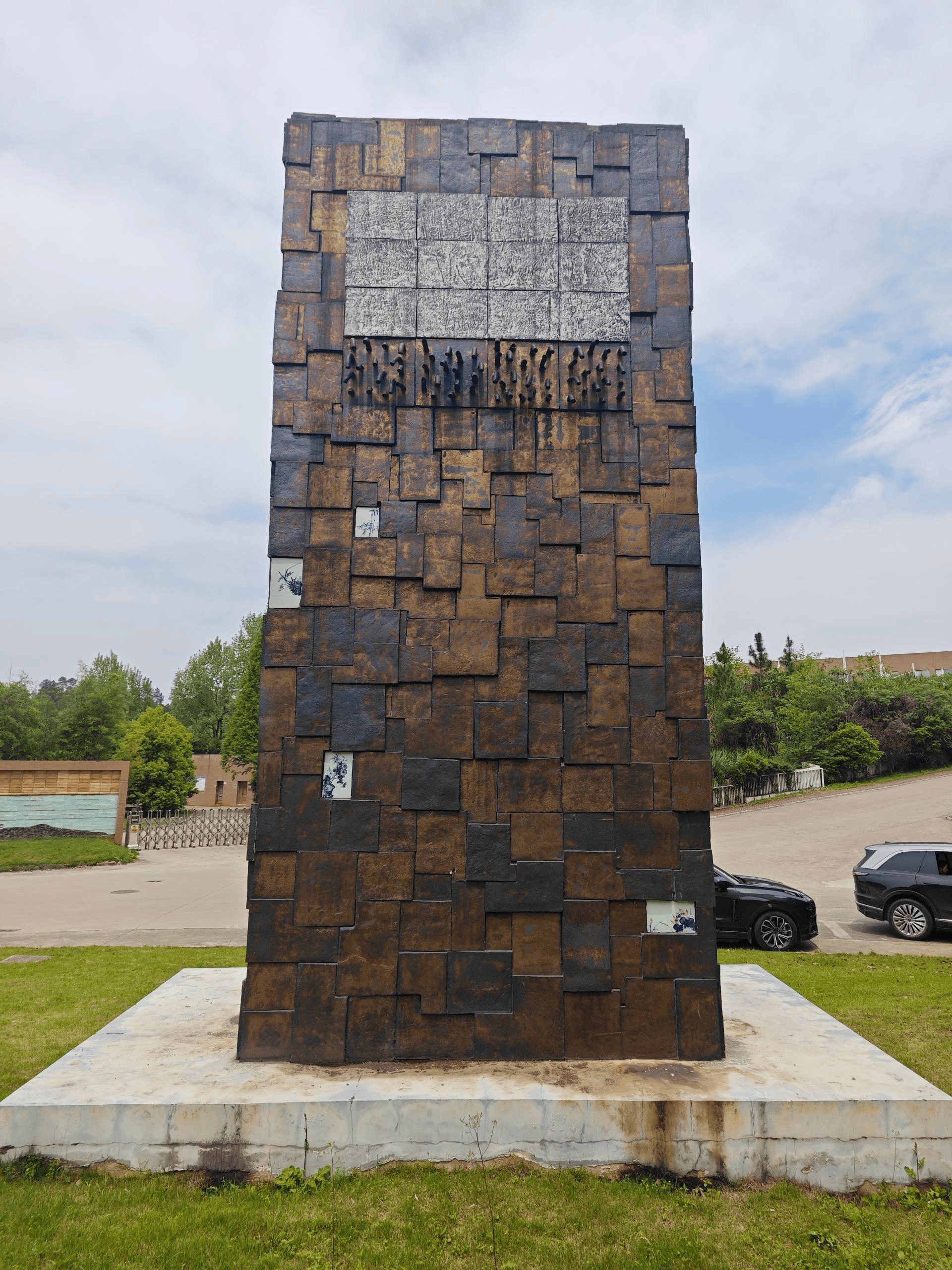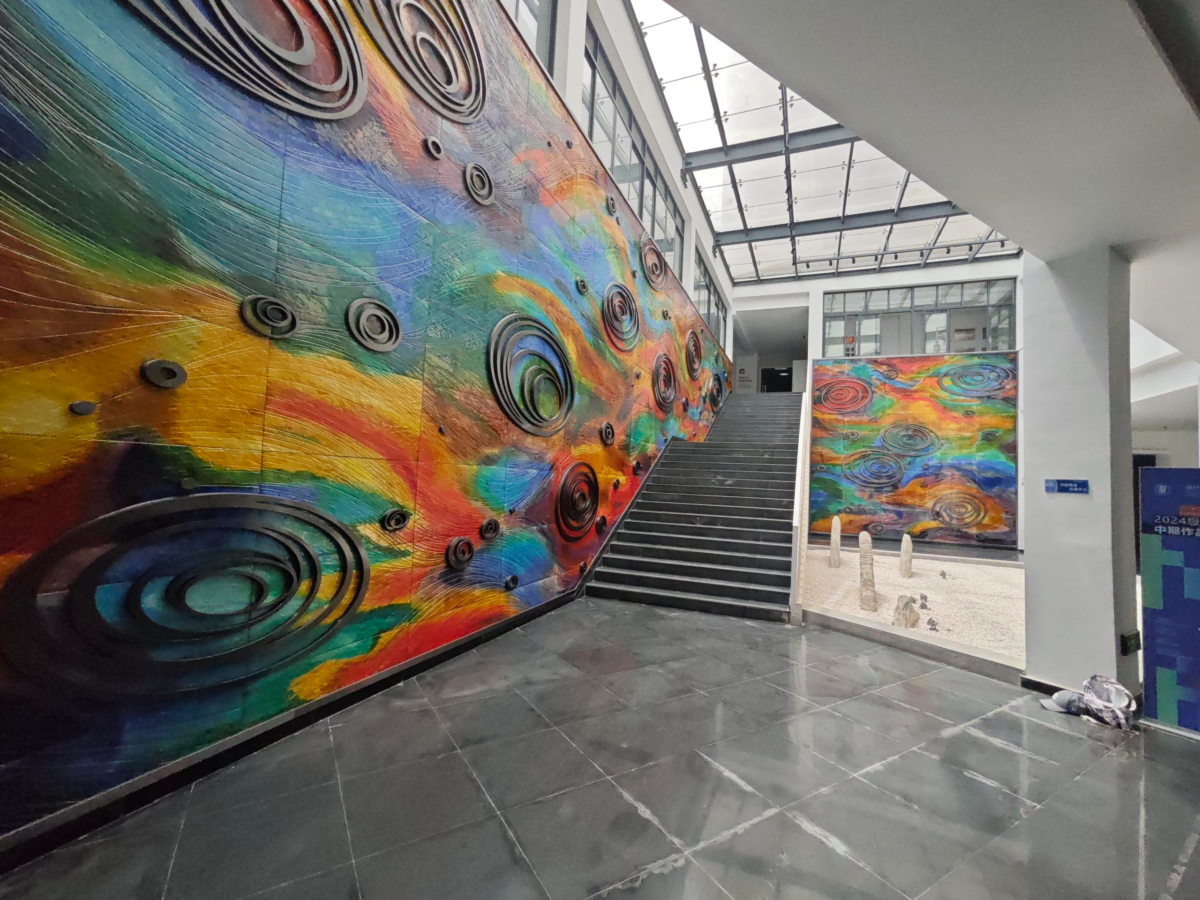
Ceramic form symbolizes a outstanding art genre with a considerable history, reaching back innumerable of times. From ancient canisters to contemporary placements, the component offers unparalleled possibilities for creative articulation. Designers adopt various techniques – including modeling, wheel turning, and developed firing processes – to fashion humble silt into beautiful three-dimensional pieces. The permanence of fired earthenware also contributes to its status as a truly significant part of human history.
Delving into Stoneware Tablet Layouts and Ways
The sector of ceramic emblem design offers a vast array of original possibilities. Creators often utilize a assortment of established and innovative techniques to develop visually bold pieces. These can include from simple, sculpted reliefs to complex, multi-layered assemblies. Conventional methods include pattern casting, forming by hand, the glaze process – which can involve multiple types like primary coloration, applying decoration after firing, and scratched decoration where designs are uncovered by scraping a layer of sheen. Expanded research into overlay methods such as quick baking and gloss finish can generate truly distinctive and personalized terracotta signs.
- Pattern Casting - Producing pieces using a mold
- Manual Crafting - Delicately building the soil
- The glaze process - Coating the shell with a glossy finish
- Scratched decoration - Revealing designs by excavating overlays
Engaging Experiences: Brick Art Arrangements
The developing landscape of imagination presents exciting contemporary avenues for participants, and ceramic art installations are at the summit of this revolution. These aren't just static forms; they are assembled to envelop the onlooker in a sensory environment. Imagine navigating within a forest of towering, fired ceramic trees, or navigating a mesh of exquisite ceramic vessels. Many artists are now incorporating acoustics, illumination, and even bouquet to enhance the impact of their work. Visualize the power of a room filled with hundreds of carefully ceramic artifacts, each telling a account. Typically, such installations delve into themes of nature, remembrance, and the individual.
- The mentioned installations blur the distinctions between figure and environment.
- Viewing a ceramic art installation can be a deeply affecting journey.
- Sculptors are extending the thresholds of what is possible with clay.
Any Grace of the Terracotta Vase: Role and Configuration
The clay jar represents a distinctive fusion of convenience and artistic appeal. Historically, these holders served a primary role in storing items, but their evolution has transformed them into highly valued works of design. Each component showcases the dexterity of the craftsman, demonstrating how structure can be as significant as service. The precise shaping, the individual glazes, and the aggregate presence of a beautifully-crafted urn can upgrade a space, offering both allure and a subtle reminder of the craftsman’s hand.
State-of-the-art Ceramic Form : Stretching Margins
State-of-the-art ceramic form represents a fascinating change from established practices. Artisans are enthusiastically experimenting with innovative approaches, softening the edges between creation and alternative design categories. From considerable installations to intricate miniature pieces, these works investigate themes of culture while concurrently reshaping the nature of what earthenware can accomplish. The consequence is a lively arena of innovative manifestation.
Pottery Inscription: Maintaining Heritage in Ceramic
Ceramic plaques offer a unique method for noting significant events and souls. Distinguished from traditional metal or stone markers, these hardwearing pieces of mastery are formed from heated clay, creating a actual link to the history. Regularly, they display intricate reliefs or beautifully rendered imagery, portraying stories that might otherwise be neglected. That technique, traceable to ancient ceramic mural cultures, provides a beautiful and timeless way to remember our collective history.
- These can be placed in general spaces.
- Various are now regarded historical artifacts.
Porcelain Art Showcases: Altering Spaces
Terracotta art installations are arising a significant medium for builders to remodel public and private settings. These immersive compositions frequently involve grand clay objects that draw viewers, transforming their experience of the developed environment. By applying diverse methods like modeled construction and sophisticated firing methods, ceramic artists develop truly remarkable experiences, breaking down the separations between work and setting. The result is often a strong change that strengthens the stylistic quality of the area and develops dialogue.
Commencement Wheel to Spectacle: The Craft of the Porcelain Vase
The journey of a pottery vessel from a simple lump of soil to a finalized work of design is a testament to human brilliance. Historically, the process originates with the potter’s wheel, where the proficient artisan constructs the turning dirt into a cylindrical form. This primary component demands accuracy and a attuned eye, followed by a delicate dehydration period. Once heat-treated, the holder is ready for detail work, which may feature illustrating intricate elements, etching detailed depictions, or executing a assortment of varnishes. The ending firing process then changes the creation into a durable and pleasing vase, a tangible example of the creator's commitment.
Carving with Earthenware: A Manual to Stoneware Project
Surveying the realm of clay work begins with studying the tenets of sculpting with earthenware. This particular procedure calls for precisely composing and subtracting material to form three-dimensional pieces. Whether you're a learner or a proficient creator, engaging with multiple categories of porcelain – notably brick – will promote you locate your idiosyncratic expression. After all, brick forming is a valuable undertaking that connects skilled know-how with expressive presentation.