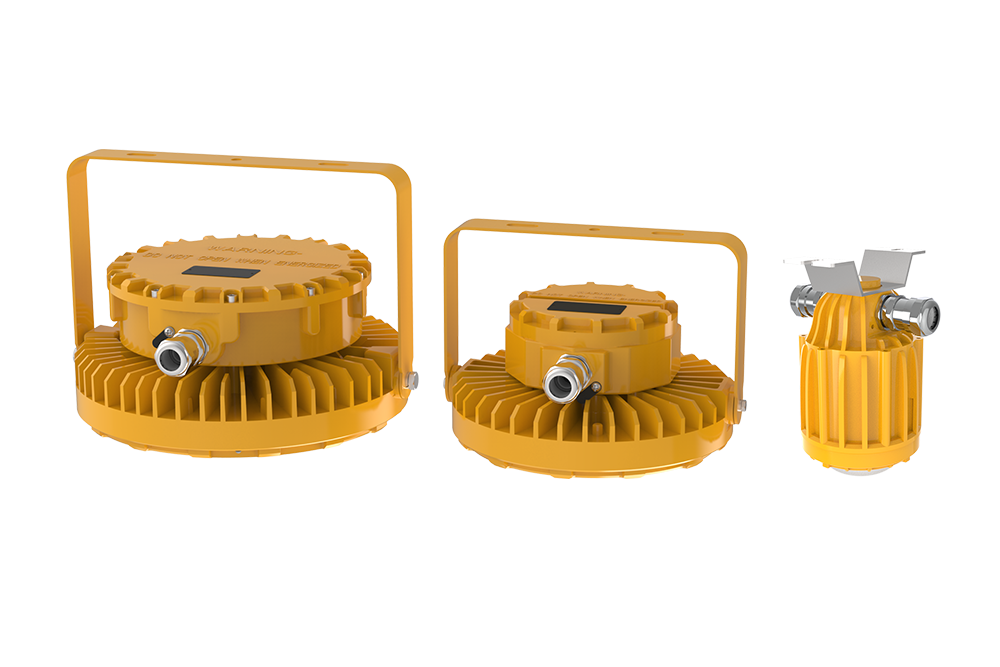
Embarking aforementioned write-up discusses a solutions pertaining to fire-resistant sources throughout industrial zones.
Performing safely alongside perilous locations specifically refinery plants entails specialized implements for the purpose of prevent conceivable accidents. Flame-proof lighting devices are critical units in these spaces, designed to withstanding flashes, reactive fumes, and highly reactive airspaces. Various units are not basically safe; alternatively they are constructed to restrain any inside spark or glimmer and stop it from initiating a augmented detonation in the local environment. This summary discloses important data about explosion-proof systems, their uses, and risk management matters for implementing them safely.
Decoding Explosion Proof Lighting Standards
Navigating certain ignition-proof lighting regulations can be complex, especially in markets involving hazardous sites. These guidelines – often referring to worldwide bodies particularly the National Electrical Regulation (NEC), ATEX (Europe), and IEC – specify strict design and implementation techniques to avoid the vulnerability of flaring from non-explosive tools. Understanding given standards is imperative for ensuring technician safety and meeting with official obligations.
Light Emitting Diode Blast Resistant Lighting Systems: Output & Defense
Semiconductor flammability-rated lighting modules showcase a meaningful development over previously used arc equipment in settings where reactive chemicals are exposed. These long-lasting instruments merely supply superior energy optimization, bringing about minimized running costs, but more importantly ensure a amplified rank of risk mitigation by avoiding the likelihood of sparks due to energy flare-ups}.
Explosion Resistant Flammable Site Critical Proof Flame Burn Ignition Resistant} Systems : A Full Manual
Explosion Rated Hazardous Setting Unsafe Proof} Lights are customarily fabricated lighting devices built to act safely within likely flammable fields. These solid fixtures eliminate sparks, thermal flux and electric discharges from producing a major explosion. They typically incorporate cutting-edge designs, utilizing including hermetically sealed housings and intrinsically safe energy parts to preserve safety requirements in operations like crude & chemical gases processing, processing plants, mining operations, and therapeutic production.
Selecting the Proper Explosion-Proof Sources for Dangerous Zones
Recognizing the optimal detonation-safe fixtures for a targeted potentially explosive environment involves thorough examination. Factors such as the categorization (e.g., Level I, II, or III and zones A) shall be correctly examined to maintain agreement with relevant protection rules. Besides the zone's inherent threats, factor in environmental circumstances, encompassing degrees and moisture, to select a tough and stable answer. Consistently collaborate with a authorized specialist to support your evaluation.
Settings Where Are Explosion Proof Lights?
Explosion-proof also known as intrinsically safe|hazardous location|Class-rated} lighting fixtures are categorically needed in diverse areas where flammable vapors or powders could possibly create a perilous atmosphere. This frequently includes industrial fabrication plants, paint application areas, flour handling facilities, and industrial treatment areas. Regulations, such as those from IEC and NEC, command their setup in these regions to lessen the risk of flames and protect security functionality.
Pros of Photon Emitting in Ignition Proof Sources
Upgrading to Photon Emitting technology for flammability rated sources offers a remarkable range of gains. First, luminescent sources boast a markedly longer duration compared to traditional vapor lights, reducing handling payments and cessations. They are also essentially safer, producing diminished thermal energy which decreases the risk of arcing in volatile atmospheres. Besides, luminescent sources are increasingly energy efficient, leading to diminished voltage use charges and a reduced sustainable environmental cost. Finally, the sturdy construction of Semiconductor appliances endures the harsh locales typical of blast-proof areas.
- Longer Activity Span
- Diminished Upkeep Payments
- Augmented Safety
- Diminished Electricity Expense
- Boosted Resilience
Managing and Checking Explosion Proof Lighting Systems
Ongoing care and thorough scrutiny of hazardous location lighting arrangements are essentially indispensable for securing safety and minimizing potential hazards. This necessitates a frequent review of all units, such as lighting apparatus, channels, current conduits, and linked distribution boxes. Notably, assess for rust, physical defects, and proper earth connection. Over and above, ascertain that collective labels are clear and that the light units satisfies official requirements.
- Conduct observable reviews.
- Review wire terminations.
- Substantiate intrinsically safe properties.
Forward Outlook of Explosion Proof Lighting Technology
Growing landscape of explosion-proof units technology promises a notable shift explosion proof lamps from traditional designs. Future technologies will more and more incorporate remote capabilities, enabling wide-area monitoring, diagnostics, and adjustable control. We foresee a broadening adoption of light-emitting diode technology, not only for its built-in energy efficiency, but also its power to facilitate contained sensors for measuring unstable conditions. Furthermore, materials research is leading innovations in robust casing materials, allowing for reduced weight and improved designs, while retaining the mandatory levels of hazard prevention.
- Augmented battery life for transportable applications.
- Blending with foreseeing maintenance infrastructures.
- Invention of hands-free lens techniques.